Diet corner

place to find best diet

What is a balanced diet?

Balanced diet is one which provides all the nutrients in required amounts and proper proportions. It can easily be achieved through a blend of the four basic food groups. The quantities of foods needed to meet the nutrient requirements vary with age, gender, physiological status and physical activity. A balanced diet should provide around 50-60% of total calories from carbohydrates, preferably from complex carbohydrates, about 10-15% from proteins and 20-30% from both visible and invisible fat. In addition, a balanced diet should provide other non-nutrients such as dietary fibre, antioxidants and phytochemicals which bestow positive health benefits. Antioxidants such as vitamins C and E, beta-carotene, riboflavin and selenium protect the human body from free radical damage. Other phytochemicals such as polyphenols, flavones, etc., also afford protection against oxidant damage. Spices like turmeric, ginger, garlic, cumin and cloves are rich in antioxidants.

Why do we need nutritionally adequate food?

Nutrients that we obtain through food have vital effects on physical growth and development, maintenance of normal body function, physical activity and health. Nutritious food is, thus needed to sustain life and activity. Our diet must provide all essential nutrients in the required amounts. Requirements of essential nutrients vary with age, gender, physiological status and physical activity. Dietary intakes lower or higher than the body requirements can lead to under nutrition (deficiency diseases) or over nutrition (diseases of affluence) respectively. Eating too little food during certain significant periods of life such as infancy, childhood, adolescence, pregnancy and lactation and eating too much at any age can lead to harmful consequences. An adequate diet, providing all nutrients, is needed throughout our lives. The nutrients must be obtained through a judicious choice and combination of a variety of foodstuffs from different food groups.

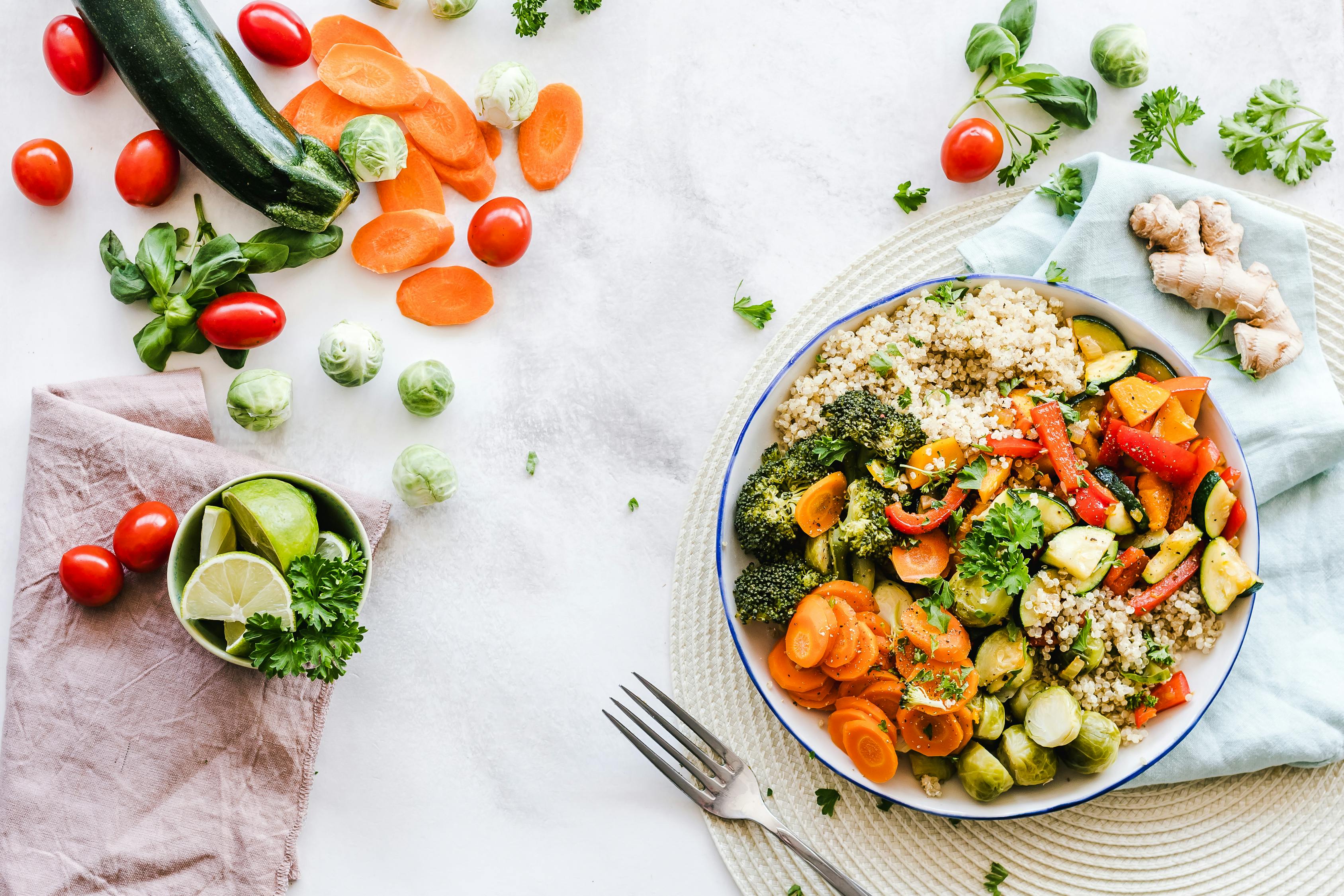
What exactly is a balanced diet for kids?

Food and drink provide the energy and nutrients that a young child needs to grow and thrive. We look at what exactly a balanced diet for kids is. A healthy child is a happy child, which makes healthy eating a top priority. Food and drink provide the energy and nutrients that a young child needs to grow and thrive. Compared to adults, children need more nutritious foods for their size to support growth, develop bones, build muscle and provide the energy needed to actively explore the world.

Forming the foundation for good eating habits

What a child eats in their early years can have lifelong consequences on their eating habits, either good or bad. As your child begins to establish their own relationship with food, it is important to set the scene for healthy eating habits at a young age.Picky eaters, children with food allergies,children on restricted diets, like vegan diets, and sick children with poor appetites have a higher risk for undernutrition. Worldwide, 40-67% of parents and caregivers report experiencing feeding difficulties with their children, which shows that many children – even those in loving and caring households – are at risk of growth faltering.Food provides more than just nutrition: it is also important for hand-eye co-ordination and skills, physical growth, strong bones, improved concentration at school and healthier sleep patterns.

Required Amount For Different Age Groups

Age group Calories Protein Fruits Vegetables Grains Dairy
2-3 years 1,000-1,400 2-4 ounces 1-1.5 cups 1-1.5 cups 3-5 ounces 2 cups
4-8 years 1,200-2,000 3-5.5 ounces 1-2 cups 1.5-2.5 cups 4-6 ounces 2.5 cups
9-13 years 1,600-2,600 5-6.5 ounces 1.5-2 cups 2-3.5 cups 5-9 ounces 3 cups
14-18 years 2,000-3,200 5.5-7 ounces 2-2.5 cups 2.5-4 cups 6-10 ounces 3 cups

How much should a child eat

Include complex and minimally processed carbohydrates in your child’s diet. These include:

  • Wholegrain high fibre bread
  • Brown rice
  • Wholewheat pasta
  • Oats
Sugar is part of the carbohydrate macronutrient group. It has little nutritional value, yet contains a lot of energy. Sugar should be limited in a child’s diet, either as added sugar or as part of sugar-rich foods and treats like cakes, soft drinks and sugary cereals. These foods tend to also be naturally high in undesirable saturated fats and salt.

Protein provides the building blocks for muscle, growth and a healthy immune system. Protein rich foods include:

  • Fish
  • Chicken
  • Lean red meat
  • Eggs,Dairy,Plant proteins such as lentils, beans and chickpeas.
Aim to eat fish at least three times a week and include mostly fatty fish such as salmon, pilchards and herring. Eggs are an easy and cost-effective protein, and dairy is rich in bone-building calcium.

Include healthy fats in your child’s diet. These include:

  • Avocado
  • Olives
  • Nuts and their oils.
Benefits of healthy fats
  1. This macronutrient group contains more energy than carbohydrates and protein.
  2. Fats provide fat-soluble vitamins A, D, E and K. Monounsaturated fats (avos, olives, nuts and nut butters) are healthier than saturated fatty acids (butter, cream, bacon and fatty meat), as they protect the heart and improve how the body’s cells function.
  3. These fats also keep the immune system strong and provide essential fatty acids for healthy eyes and brain development.